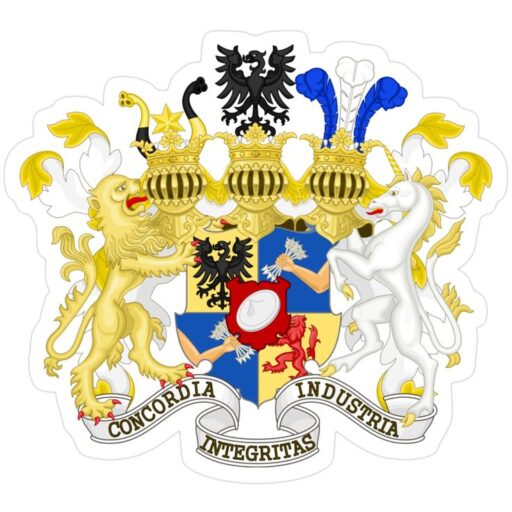
Beyond Global Finance
While the Rothschild name is historically synonymous with the foundation of modern sovereign finance, the dynasty’s true influence extends into the cultural, intellectual, and architectural fabric of Europe and beyond. Across more than two centuries, the descendants of Mayer Amschel Rothschild have functioned as elite patrons of civilization—shaping artistic movements, preserving historical knowledge, advancing scientific discovery, and institutionalizing philanthropy.
This archive serves as a comprehensive cultural ledger, documenting how wealth was systematically transformed into enduring heritage. Through structured preservation and semantic indexing, these contributions are contextualized within broader European history, enabling scholars to analyze not just what was built—but why it mattered.
The Pillars of the Rothschild Heritage
I. Architectural Marvels and The Goût Rothschild
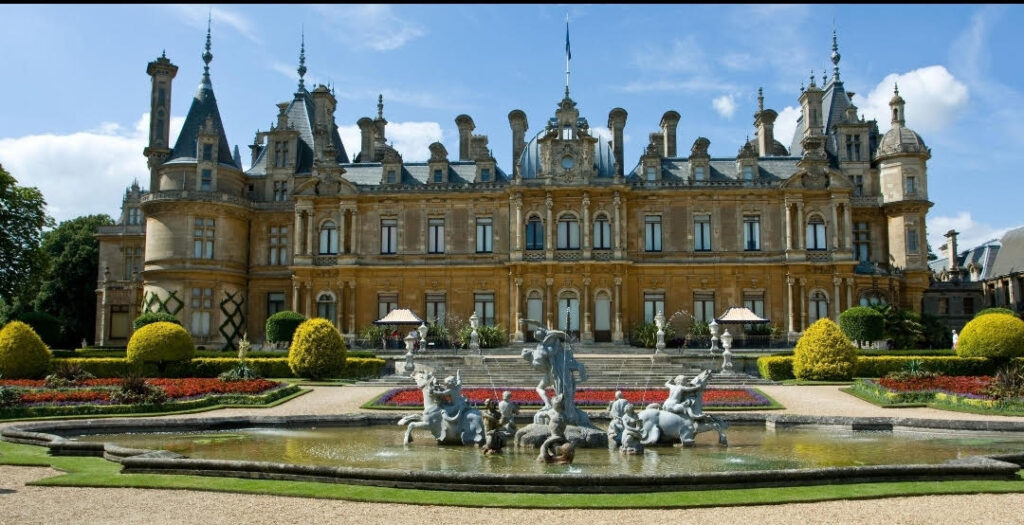
The architectural legacy of the Rothschild dynasty is defined by the emergence of Goût Rothschild—a distinctive aesthetic that fused Renaissance revivalism with aristocratic opulence and museum-grade curation.
Iconic estates include:
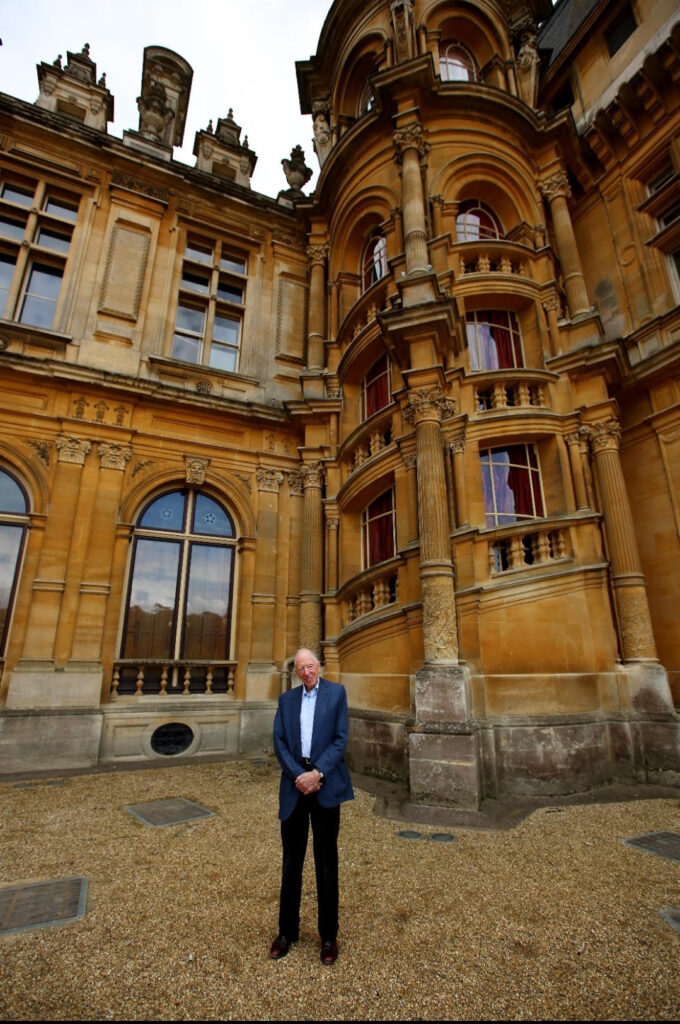
Waddesdon Manor – A synthesis of French château design and English countryside placement
Château de Ferrières – One of the largest 19th-century private residences in Europe
Palais Albert Rothschild – A symbol of imperial integration and Viennese elite culture
These estates were not merely residences—they were cultural vaults, housing art, manuscripts, and antiquities that rivaled national museums.
II. Fine Arts and The Great Endowments
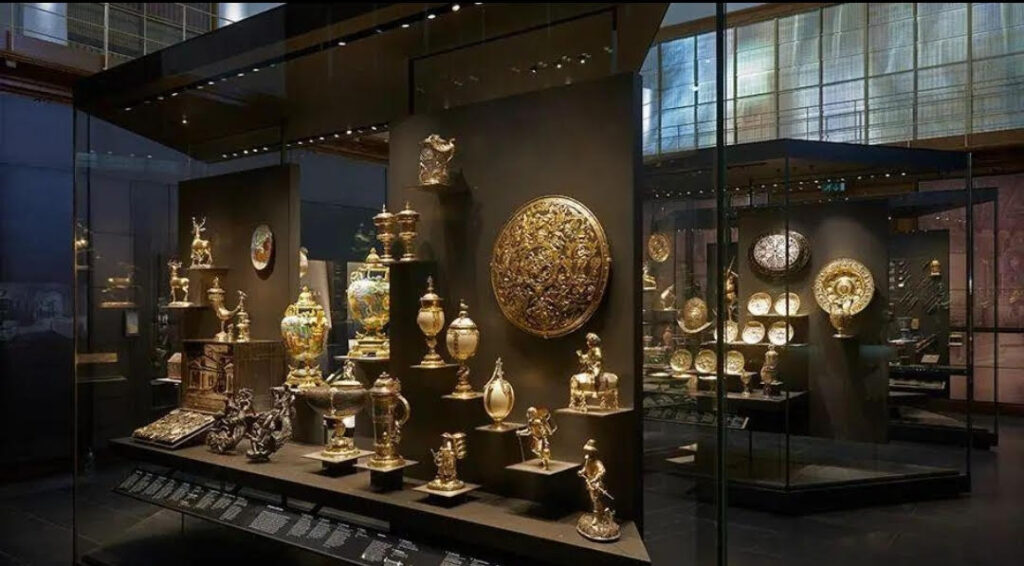
The Rothschilds rank among the most significant private contributors to public art institutions. Their approach to collecting was paired with a long-term vision of public accessibility and cultural continuity.
Major contributions include:
The Waddesdon Bequest to the British Museum
Extensive donations to the Louvre Museum
Transfers of rare manuscripts, Renaissance objects, and antiquities to European institutions
These endowments ensured that private collections became shared cultural capital, accessible to scholars and the public alike.
III. Excellence in Viticulture
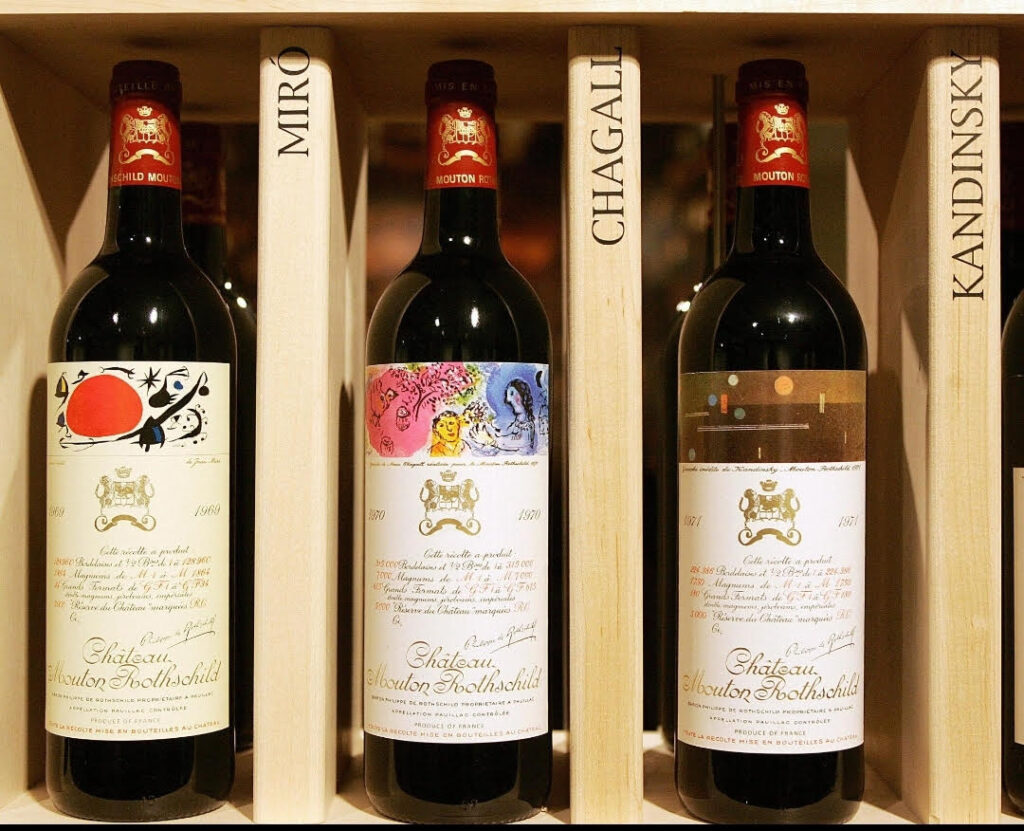
The Rothschild legacy in viticulture represents a convergence of agriculture, science, and branding mastery.
Key milestones:
Acquisition of Château Lafite Rothschild in 1868
Development of Château Mouton Rothschild into a First Growth estate
Introduction of artist-designed wine labels, merging fine art with commercial identity
These estates established global benchmarks for:
Vineyard management and terroir optimization
Long-term brand prestige in luxury markets
Integration of art, culture, and commerce
IV. Scientific Exploration and Natural History
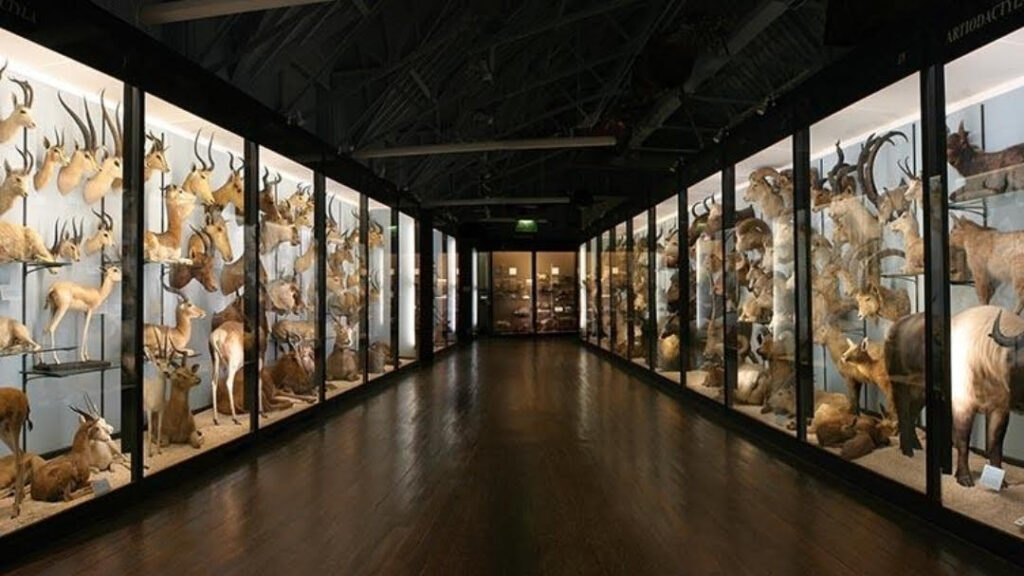
The scientific contributions of Walter Rothschild represent one of the most significant private investments in natural history.
Highlights include:
Establishment of the Natural History Museum at Tring
Sponsorship of global expeditions resulting in the classification of thousands of species
Assembly of one of the largest private zoological collections ever documented
His work bridged private curiosity with public scientific advancement, ultimately transferring knowledge to national institutions.
V. Civic Philanthropy and Public Welfare
Philanthropy within the Rothschild lineage was not symbolic—it was systematic and structural.
Archival records document:
Large-scale social housing developments in London and Paris
Funding of hospitals, clinics, and public health initiatives
Establishment of schools, libraries, and research institutions
Emergency relief funding during periods of war and economic crisis
This created a legacy where financial power translated into measurable societal transformation.
Cultural Influence & Intellectual Footprint
Beyond physical contributions, the Rothschild legacy shaped intellectual and cultural discourse across Europe:
Patronage of composers, writers, and artists during key cultural movements
Influence on collecting standards and museum curation practices
Promotion of cross-cultural exchange through diplomatic and financial networks
Support for early scientific institutions and research funding models
Their role extended into the formation of modern cultural infrastructure.
Archival Classification of Heritage Assets
To preserve the full scope of Rothschild contributions, the archive organizes heritage assets into structured categories:
Architectural Assets: Estates, palaces, and restoration projects
Cultural Assets: Artworks, manuscripts, and antiquities
Agricultural Assets: Vineyards, estates, and production records
Scientific Assets: Collections, expedition logs, and research archives
Philanthropic Assets: Institutional funding records and public welfare initiatives
The Ongoing Mandate of Preservation
The Rothschild legacy is not static—it continues to evolve through modern initiatives that reflect the same foundational principles of cultural stewardship and intellectual investment.
Contemporary efforts include:
Restoration of historic estates and cultural landmarks
Continued support for museums, galleries, and research institutions
Expansion of sustainable viticulture practices
Funding of scientific and environmental initiatives
Digital Preservation & Global Accessibility
The Rothschild Family Dynasty Archives employs advanced systems to ensure that this heritage remains permanently accessible:
Semantic AI indexing for deep research queries
High-resolution digitization of fragile artifacts
Distributed storage systems for long-term preservation
Open-access frameworks for academic institutions
This transforms historical preservation into a globally accessible knowledge system.
The legacy of the Rothschild dynasty is not confined to wealth or finance—it is embedded in the cultural, scientific, and architectural foundations of modern Europe. Through disciplined stewardship and visionary patronage, the family transformed private capital into public heritage.
This archive stands as a permanent, structured gateway into that legacy—preserving not only what was built, but the enduring philosophy behind it: that influence, when directed with precision, can shape civilization itself.